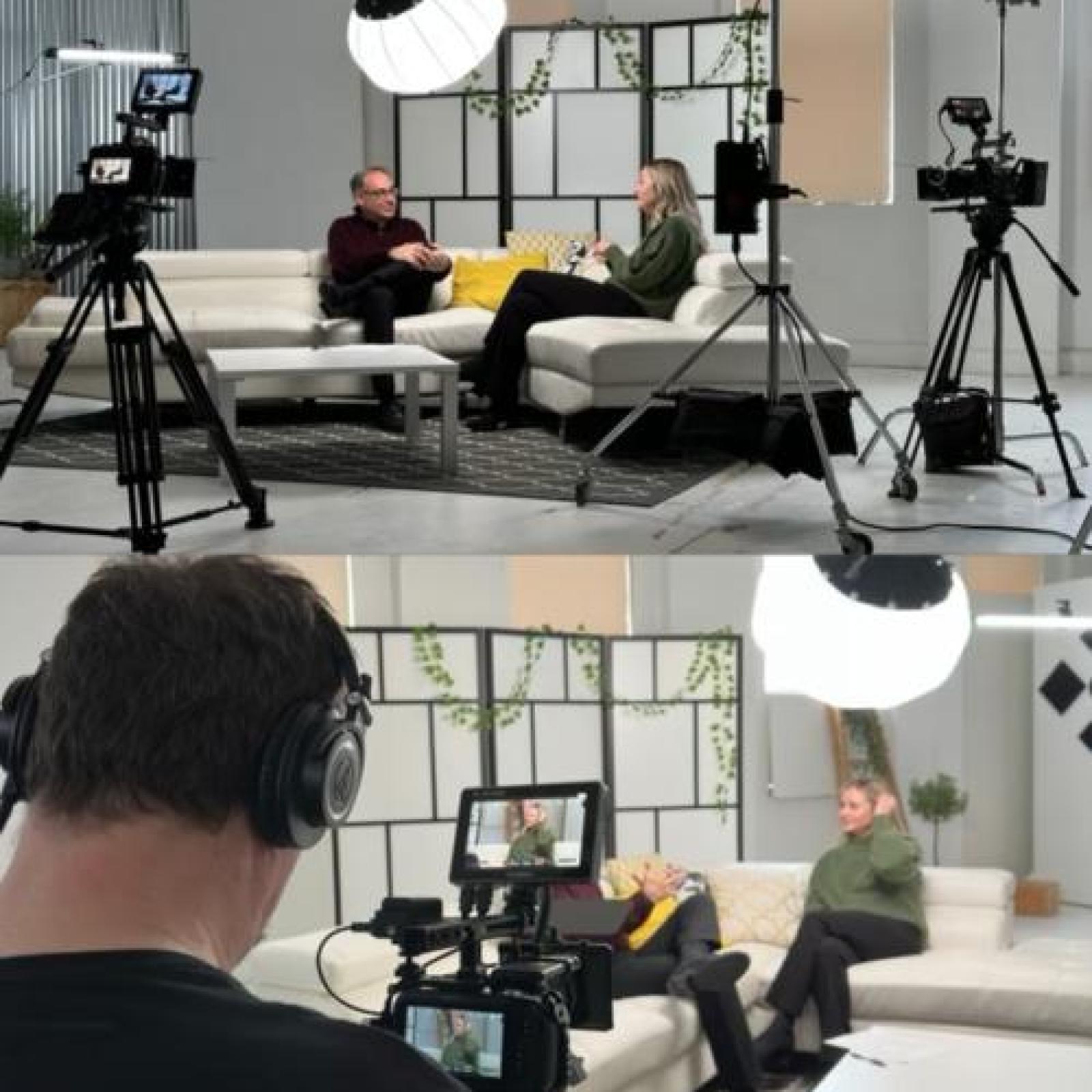
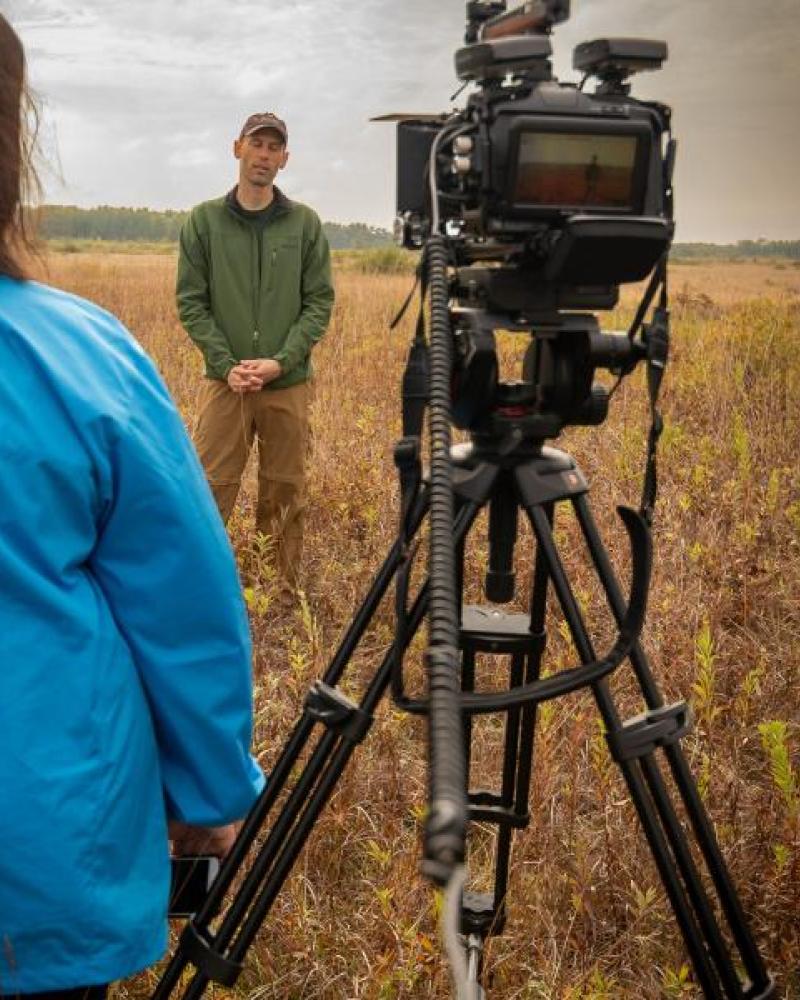
“How much does it cost to produce a video?” It’s one of the most common questions I’m asked, and it’s also one of the hardest to answer without knowing more about the project. One of the biggest misconceptions about video production is that cost is determined by the length of the finished video. It isn’t. A well-produced 60-second commercial or brand film can cost significantly more to create than a three- or four-minute event video.
Think about a live event. The location is already there. The people are already there. The event is happening whether the camera is there or not. Our job is primarily to capture it well and then shape that footage into an engaging film. Now consider a 60-second commercial.
Before we shoot a single frame, we may need to develop the concept, write a script, scout locations, find talent, build a schedule and plan individual scenes. During production, shots may need to be carefully lit and composed. We might shoot multiple takes from different angles to create just a few seconds of the finished film.
Then everything has to come together in post-production.
“You’re not really paying for 60 seconds of video. You’re paying for everything it takes to create those 60 seconds.”
The better question is:
What does it take to make the video?
The Work You Don’t See: Pre-Production
When people think about video production, they naturally think about the filming day. But on many projects, a significant amount of work happens before the camera ever comes out. For a straightforward project, pre-production might involve a few meetings, scheduling, choosing a location and developing a clear plan for the shoot. For a documentary or story-driven film, it can be much more extensive.
There may be research to do. Background material to read. People to speak with before deciding who should be interviewed. We may need to understand events that happened years ago, establish timelines, identify different perspectives and figure out where the actual story is.
As a filmmaker, I don’t want to walk into an important interview knowing only what’s written on a call sheet. I want to understand the story long before the camera comes out. That understanding changes the questions I ask. It helps me recognize when someone says something important. It tells me when to put the prepared questions aside and follow something unexpected.
Pre-production can also include creative development, scripting, location scouting, casting, scheduling, interview preparation and shot planning.
The audience may never see those hours of work. But they’ll see the result.
Different Levels of Video Production
Another reason there isn’t a standard price for video production is that different projects require very different levels of production. Some videos simply don’t need to be complicated. A focused production might involve a small crew, one primary location, a limited number of interviews and a straightforward approach to filming and editing.
For the right project, that may be everything you need. A smaller budget doesn’t automatically rule out professional video. It may simply mean the production needs to be more focused. Other projects benefit from more time and resources.
There may be more research and story development, additional locations, more filming time and a larger crew. Dedicated camera, lighting and sound professionals allow each person to concentrate on what they do best while I focus on directing the interview and listening for the story.
More production time can create opportunities for stronger B-roll and more visual storytelling. Additional post-production time allows us to refine the story, pacing, music, sound, colour and graphics.
At the other end of the spectrum, a commercial, documentary or major brand film might involve extensive research, multiple filming days, actors or professional talent, specialized equipment and a larger crew.
The goal isn’t to make every production bigger.
It’s to determine what the project actually needs.
The value isn’t simply that the production is bigger. It’s that we have more creative options.
Instead of constantly asking, “What can we fit into the day?” we have more opportunity to ask:
“What would make this film better?”
Why Having a Budget Actually Helps
I understand why clients are sometimes reluctant to tell a video production company their budget.
They want to make sure they’re getting the best value for their money.
I get it.
The problem is that without either a budget or a clearly defined vision and scope, it can be difficult to compare one production quote with another.
Imagine one production company quotes $2,500 and another quotes $12,000.
At first glance, the $2,500 quote looks like the better value.
But are they actually quoting the same thing?
One company may be envisioning a small crew, one location and a straightforward production.
The other may be proposing extensive creative development, research, specialized crew, multiple locations, more filming time and a much more involved post-production process.
Those aren’t necessarily two different prices for the same video.
They may be two completely different videos.
Think about building a house.
You probably wouldn’t call several home builders and simply ask, “How much does a house cost?”
They need something to work from.
You might give them a blueprint that clearly defines what you want. Now each builder can price essentially the same house.
Or you might tell the builder what you’re prepared to invest and ask what can realistically be built within that budget.
Video production isn’t all that different.
If you have a clearly defined vision and scope, production companies have a blueprint to quote from.
If that blueprint doesn’t exist yet, a realistic budget gives us something to design toward.
That doesn’t mean the goal is to spend every dollar available. It means we can stop guessing about the scale of the production and start determining how to use the available resources
Video Isn’t Just an Expense
There’s another side of the cost conversation that’s easy to overlook.
A professionally produced video isn’t simply something nice to have. Done well, it can become a valuable marketing and communication asset.
A business might use a corporate video or brand film to introduce its brand, explain what makes it different, recruit employees, build trust with prospective customers or support its sales team.
A nonprofit might use video storytelling to help people understand its mission, demonstrate the impact of its work, support fundraising, recruit volunteers or connect donors with the people and communities it serves.
And a strong video doesn’t necessarily do its job once and disappear.
It might live on your website, be shared through social media, become part of presentations, support a campaign, play at events or be used by sales, recruitment or fundraising teams.
In some cases, the same video may continue working for an organization for years.
That doesn’t mean every video deserves a large budget. It means cost shouldn’t be considered in isolation.
A video shown once at an internal meeting has a very different role from a film that will represent your organization, support sales or fundraising and be used across multiple platforms for several years.
So alongside the question, “What will this cost?” there’s another question worth asking:
“What does this video need to accomplish, and what is that worth to our organization?”
How to Get More Value From Your Video Budget
Getting better value doesn’t necessarily mean finding the lowest price.
It means putting the money where it will make the greatest difference.
Sometimes that means investing more time in research and story development.
Sometimes it means dedicated lighting or sound professionals.
Sometimes another filming day gives important interviews the time they deserve and allows us to capture stronger visuals.
And sometimes the smartest decision is to simplify.
If five locations aren’t adding anything meaningful to the story, perhaps we don’t need five locations. If a smaller crew can accomplish exactly what the project requires, there’s no reason to make the production bigger simply for appearances.
Planning can save money too.
Consolidating interviews at one location, making important creative decisions early and having key decision-makers aligned before editing begins can all make a production more efficient.
“A successful video isn’t created in the editing room. It’s created in the planning room.”
Think Beyond One Video: Get More From Your Production
Another way to get more value is to think beyond the single video you’re making today. A significant part of the investment is getting everything and everyone in place. The planning has been done. The crew is there. The cameras, lighting and sound are set up. The interviews are happening and we’re already capturing footage.
With some additional planning, there may be an opportunity to create several useful pieces of content from the same production.
A company might create its primary corporate film while also capturing employee stories, recruitment content, shorter social videos or versions for different audiences. A nonprofit might create a fundraising or impact film while also capturing individual stories or shorter pieces that can be used throughout the year. That doesn’t mean five videos cost the same as one. Additional filming and post-production still require time and resources.
But producing related videos together can be considerably more efficient than commissioning them separately and rebuilding the production each time. If you know you’ll need several videos over the coming year, tell the production company early.
“Sometimes getting better value isn’t about making the production cheaper. It’s about getting more from the production you’re already doing.”
How to Compare Video Production Quotes
If you’re collecting quotes from several Winnipeg video production companies, don’t look only at the number at the bottom. Look at what’s actually being proposed.
How much creative and story development is included? What about research and pre-production? How many filming days? What size crew, and what are their roles? What is included for lighting and sound, editing, graphics, music, colour, captions and revisions? What finished videos and additional versions will you receive?
Now go back to that $2,500 quote and the $12,000 quote.
If both companies are proposing essentially the same production, you have something meaningful to compare. If they’re proposing completely different productions, the difference in price makes much more sense.
The lowest quote isn’t necessarily the best value, and the highest quote isn’t necessarily the best video.
The goal is to understand what you’re paying for and whether those resources are being used where they’ll actually matter.
So, How Much Does Video Production Cost?
There isn’t one meaningful price for “a video” because there isn’t one kind of video production.
A focused interview video, an event film, a corporate story, a documentary and a television commercial may all require completely different resources.
What we can do is define what the video needs to accomplish, determine the appropriate level of production and build a realistic scope around the resources available. And you don’t need to have everything figured out before starting that conversation.
Bring the problem you’re trying to solve, the opportunity you’ve identified or even the beginning of an idea. If you already have a clear vision, great. If you have a budget or even a range in mind, that helps too.
A good production company should help you determine whether the vision and budget are aligned. If they aren’t, the next question isn’t necessarily, “Can we do this?”
It’s:
“What should we change?”
Maybe we simplify the concept. Maybe we reduce the number of locations. Maybe we rethink the filming schedule or find a more efficient way to tell the story. That’s when the conversation becomes much more useful than simply asking, “How much does a video cost?”
The better question is:
“What’s the best film we can create with the resources available?”
Planning a video project?
Tell us what you’re trying to accomplish and let’s figure out what makes sense.