How Manitoba Nonprofits Can Use Video for Fundraising
Standing out in today’s fundraising environment isn’t easy. Having a worthy cause isn’t always enough. People need to understand why it matters and how their support can make a difference.
That’s where video can help. A well-crafted fundraising film brings your mission to life, introduces the people behind your work, demonstrates your organization’s impact and gives donors a meaningful reason to become part of the story.
1. Begin With a Clear Fundraising Goal
Before planning interviews or choosing filming locations, start by defining what the video needs to accomplish.
Are you:
- Raising money for a capital project?
- Supporting an annual campaign?
- Introducing a new community program?
- Attracting recurring monthly donors?
- Encouraging people to attend a fundraising gala or event?
The goal will shape the story, the people featured and the information the audience needs. A video created for a hospital capital campaign requires a different approach from a film supporting a community youth program or an annual nonprofit gala.
It is equally important to understand your audience. Existing donors may already know the organization but need to understand why a specific project matters now. New supporters may need more context before they feel ready to give.
The clearer the goal and audience are, the easier it becomes to build the right story.
2. Put People at the Centre of the Story
Facts and statistics can demonstrate the scale of a problem, but people give those numbers meaning.
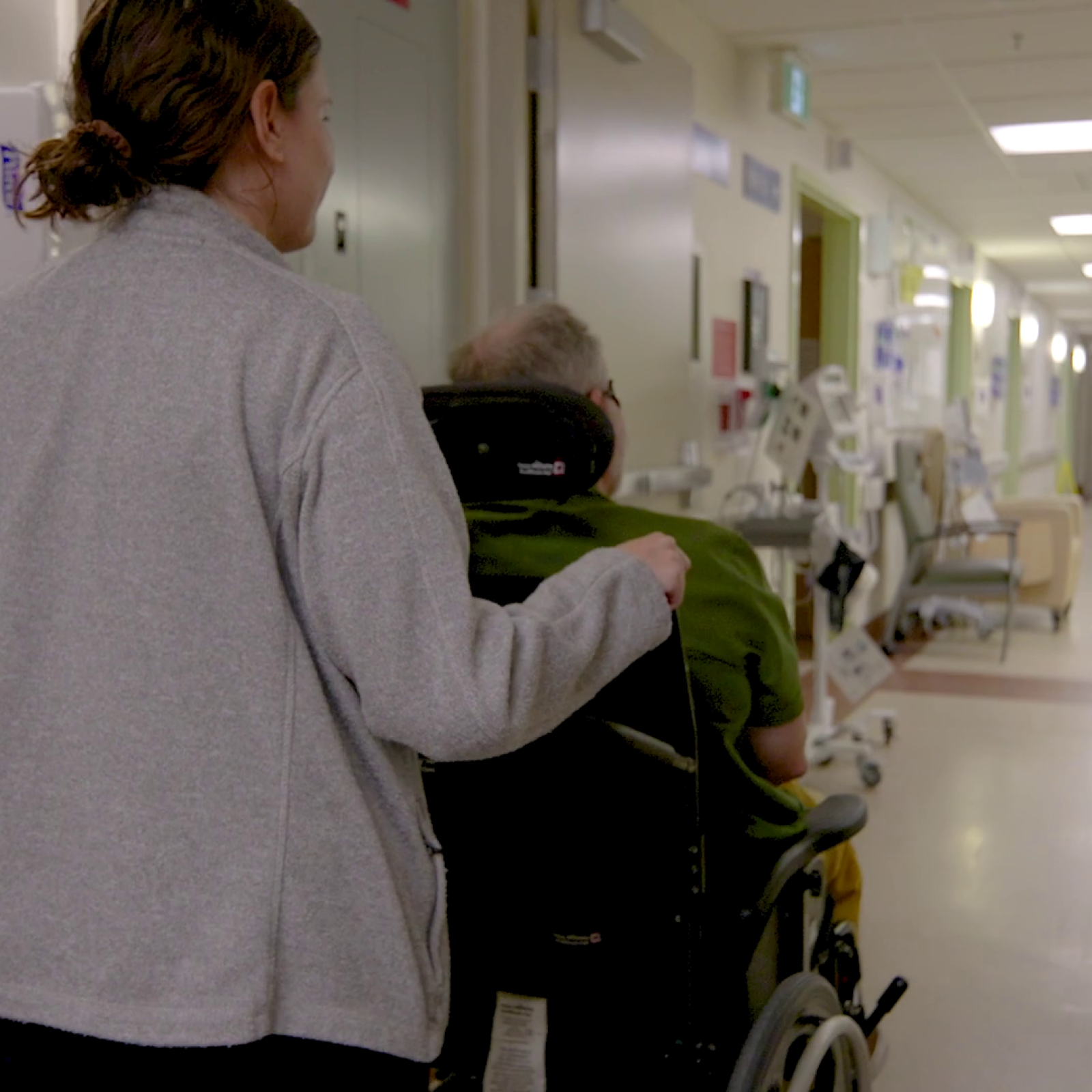
Instead of building the entire video around the organization, consider introducing someone whose life has been directly affected by its work. Let the audience understand who that person is, what they experienced and what changed.
This does not mean turning someone’s hardship into a fundraising device. The strongest nonprofit stories are told with honesty, dignity and respect. The person featured should always be presented as a complete human being—not simply as a problem that needs to be solved.
When viewers recognize someone’s hopes, challenges and humanity, the mission becomes tangible. They are no longer being asked to support an abstract cause. They can see who their support may help and why it matters.
3. Show the Difference Support Can Make
A strong fundraising video should help the audience see both the need and the possibility.
Consider these questions:
- What is difficult right now?
- What could change?
- How would a new facility, expanded program, piece of medical equipment or additional service improve people’s lives?
Whenever possible, show the organization’s work rather than relying entirely on people explaining it. Film the environments, interactions and quiet everyday moments that reveal what actually happens.
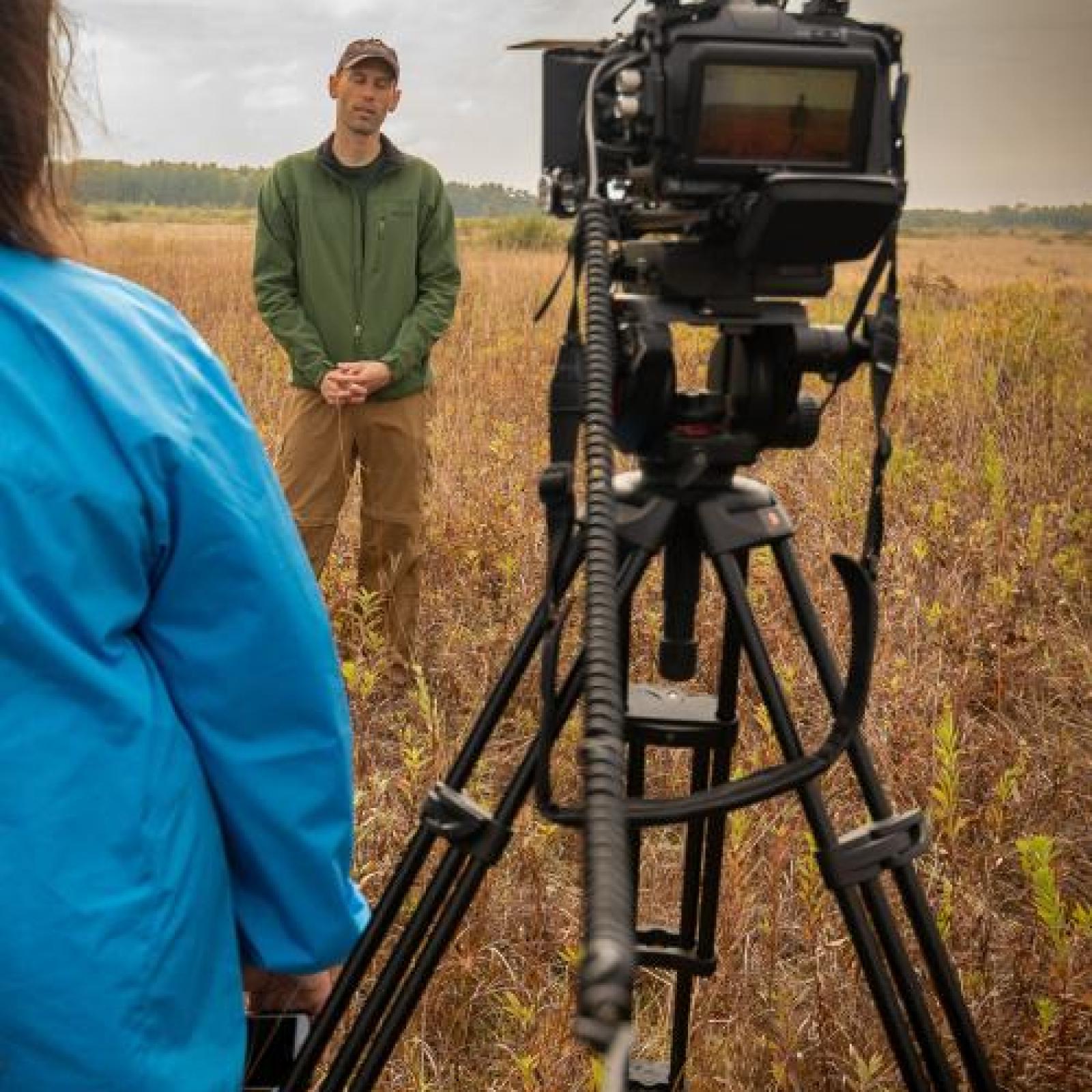
This is where professional nonprofit video production can make an important difference. Thoughtful interviews and purposeful visuals work together to reveal the human impact behind the campaign.
The audience should come away understanding not only what the organization does, but what their support can help make possible.
4. Create Emotion Without Manipulating the Audience
Emotion is an essential part of fundraising, but it must come from the truth of the story.
Audiences can sense when they are being pushed too hard. Overly dramatic language, forced emotional moments or a story focused exclusively on suffering can create discomfort rather than a genuine connection.
Authenticity is far more powerful.
- Allow people to speak in their own words.
- Give important moments room to breathe.
- Include hope, personality and resilience alongside the challenges.
The objective is not to make people feel guilty. It is to help them understand, care and recognize that they have an opportunity to contribute to something meaningful.
5. Use Video to Create a Shared Moment at Your Fundraising Event
Many Manitoba nonprofits hold galas, fundraising dinners, campaign launches and other live events. These gatherings provide an ideal opportunity to share a fundraising film.
Playing the video during the event allows everyone in the room to experience the same story at the same time. Instead of simply hearing about the organization’s work, guests can meet the people involved, understand what is at stake and see what their support can make possible.
The video can also help connect different parts of the evening. It might introduce the fundraising appeal, lead into a presentation or prepare the audience before they are invited to donate.
A film created for a live event should be planned with the room in mind. It needs to hold the audience’s attention, communicate clearly through the event’s sound system and finish with a natural transition into the next part of the program.
Organizations may also benefit from combining the fundraising film with professional event video production. The film tells the story behind the cause, while event coverage captures donor participation, campaign milestones and the energy of the evening.
6. Plan How the Video Will Be Used After the Event
A fundraising film does not have to stop working when the gala or campaign launch is over.
With some advance planning, the same production can support several parts of the campaign:
- Main fundraising film: Shown at a gala, fundraising dinner or campaign launch.
- Shorter versions: Shared through email newsletters and social media.
- Individual clips: Interview highlights used to maintain campaign momentum.
- Website video: Added to a campaign or donation page for people who could not attend the event.
Planning these different versions before filming makes production more efficient. The production team can capture the necessary interviews, supporting visuals and calls to action while everyone is already together.
This also gives the organization more ways to reach supporters without producing completely separate content for every platform.
7. Give the Audience a Clear Next Step
After people connect with the story, they need to know what to do next.
The call to action might invite viewers to:
- Donate to the campaign.
- Attend an upcoming event.
- Become a monthly supporter.
- Share the video with their network.
- Learn more on the organization’s website.
The call to action does not need to be complicated, but it should be specific and easy to follow.
The strongest call to action feels like a natural continuation of the story. The audience has seen the need, understood what could change and now knows how to take part.
Creating a Fundraising Video That Connects
An effective fundraising video brings a nonprofit’s mission to life through the human experiences at the heart of its work.
By setting clear goals, telling honest stories, demonstrating impact and providing a clear call to action, nonprofit organizations can build stronger connections with supporters across Manitoba.
At Orange House Media, we partner with nonprofits, foundations and community organizations to create story-driven films that communicate their purpose with honesty, dignity and care.
Planning a Fundraising Campaign?
Let’s talk about the story behind your campaign and how video can help people understand why it matters.